Home › Blog › Dental Fear and Anxiety Guidelines: A Dentist's Practical Guide
Oral HealthDental Fear and Anxiety Guidelines: A Dentist's Practical Guide
November 06, 2026
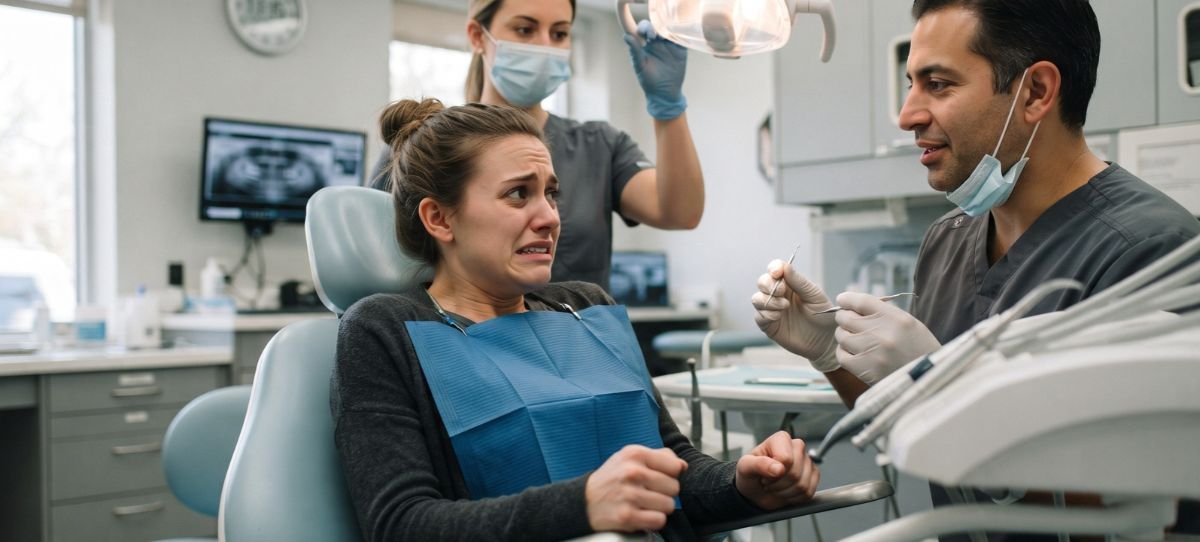
Every week, patients tell me the same thing in my chair: "Doctor, I'm embarrassed, but I'm really afraid of the dentist." Please never feel embarrassed. Dental fear is one of the most common worries I see, and it is very manageable. In this guide, I explain why dental anxiety happens and how you can prepare. I also describe what we do at Dentalingo in Alanya to make your visit calm and comfortable.
Why Do People Fear the Dentist?
Dental fear rarely has a single cause. In my experience, the most common reasons are:
- A painful past experience, often in childhood.
- Fear of pain or needles, even when modern anesthesia makes treatment comfortable.
- Loss of control, lying back with your mouth open and unable to speak.
- Fear of the unknown, not knowing what will happen next.
- Embarrassment about the condition of your teeth after years of avoiding the dentist.
- Sounds and smells of the dental clinic.
Dental Anxiety or Dental Phobia?
Dental anxiety is a feeling of nervousness before or during treatment. Dental phobia is stronger. It can cause panic, sleepless nights, nausea, or avoiding the dentist completely, even with severe tooth pain. Both are real and both can be helped. If fear is stopping you from getting care, please tell us.
How I Help Anxious Patients in My Clinic
- We talk first. Before touching a tool, I listen to your fears and your history.
- I explain every step in simple words, so nothing comes as a surprise.
- You control the pace. We agree on a hand signal, and when you raise your hand, I stop immediately.
- Effective anesthesia. I apply a topical gel first and use gentle injection techniques, so you feel as little as possible.
- Short, planned visits. We can split treatment into smaller sessions if you need it.
- No judgment. Whatever the condition of your teeth, I have seen it before and I am here to help, not to criticize.
How to Prepare Before Your Appointment
- Choose a calm time of day. Many anxious patients feel better in the morning, without a long wait.
- Eat lightly and avoid too much caffeine, which can increase nervousness.
- Practice slow breathing: inhale for 4 seconds, hold for 2, exhale slowly for 6. Repeat for a few minutes.
- Bring headphones with music, a podcast, or an audiobook.
- Write down your questions and fears, and share them with me.
- Bring a trusted companion if it helps you feel safe.
Comfort Techniques During Treatment
- Slow nasal breathing and relaxing your shoulders, jaw, and hands.
- Focusing on music or a mental image you find calming.
- Using the stop signal whenever you need a break.
- Short breaks to rest, swallow, and breathe.
Sedation Options
For some patients, relaxation techniques alone are not enough. Depending on your health, the type of treatment, and your level of fear, we can discuss additional comfort options in your consultation. Any option is chosen only after a medical evaluation, because your safety always comes first.
Please Do Not Wait Until the Pain Is Unbearable
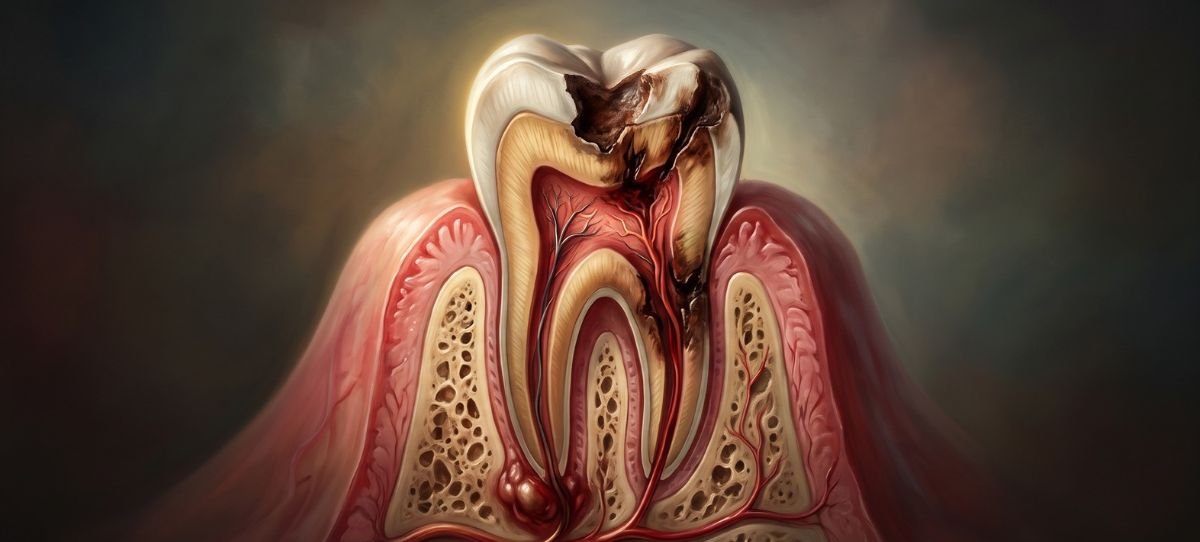
Avoiding the dentist usually makes problems bigger. A small cavity can turn into a root canal case, and early gum disease can lead to tooth loss. Coming early means simpler, shorter, and more comfortable treatment. Your first visit can be just a conversation and a check-up. Nothing is done without your agreement.
Frequently Asked Questions
1. Is it normal to be afraid of the dentist?
Yes, absolutely. Dental fear affects a large share of adults worldwide, and a meaningful number experience severe anxiety. You are not alone, and you will not be judged.
2. Will the treatment hurt?
Modern local anesthesia makes most treatments painless. You may feel pressure or vibration, but not sharp pain. If you feel any discomfort, tell me and I will adjust immediately.
3. What if I want to stop during treatment?
You can stop at any time. We agree on a hand signal before we begin, and I will pause as soon as you use it.
4. I haven't seen a dentist for many years. Will you be upset with me?
Never. I will not scold you. We will look at where you are today and create a gentle step-by-step plan from there.
5. Can I have a consultation without any treatment?
Yes. Many anxious patients start with a consultation only, to meet the dentist, see the clinic, and ask questions. There is no pressure to start treatment that day.
6. Are sedation or relaxation options available?
Depending on your medical history and the planned treatment, comfort options can be discussed during your consultation. The right choice is made together after a safe medical evaluation.
7. How can I calm myself on the day of the appointment?
Sleep well, eat lightly, practice slow breathing, listen to calming music, and arrive a little early. Tell the team you are anxious so we can support you from the moment you arrive.
8. Can I bring someone with me?
Yes. Many patients feel calmer with a family member or friend nearby, especially at the first visit. Just let us know in advance.
About This Article (E-E-A-T)
Content is approved by:
CDT. Hüseyin Bayır
Dental technician with more than 14 years of experience
Contact Dentalingo: To book a free consultation or find our clinic address, please visit our contact page.
Article published: 06.11.2026
This article is for general information and does not replace a personal examination. Please consult your dentist for advice about your own situation.