Home › Blog › What Causes Tooth Decay? Common Reasons and Prevention Tips
Oral HealthWhat Causes Tooth Decay? Common Reasons and Prevention Tips
November 05, 2026
As a dental team in Alanya, we see tooth decay (cavities) every day, and the good news is that it is almost always preventable. Decay is not something that appears overnight. It develops slowly, often without pain, until the damage is already deep. Understanding how it starts is the best way to stop it.
How Does Tooth Decay Happen?
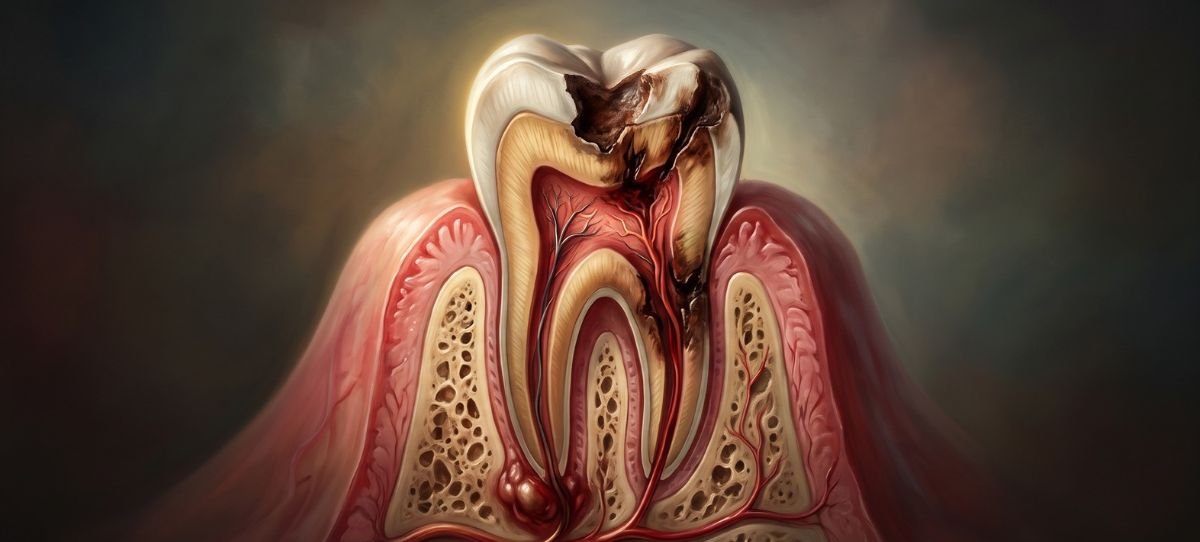
Your mouth is home to hundreds of types of bacteria. Some of them form a sticky film called plaque on the teeth. When you eat or drink sugars and refined carbohydrates, these bacteria turn them into acids. The acids slowly dissolve minerals from your enamel, the hard outer layer of the tooth. This process is called demineralization. If it continues, a small hole (cavity) forms, and the decay can then spread to the softer dentin beneath and eventually reach the nerve.
Your saliva and fluoride can repair early damage by returning minerals to the enamel. Decay develops when the acid attacks happen more often than the repair can keep up with.
The Most Common Causes of Tooth Decay
1. Poor oral hygiene
If plaque is not removed thoroughly twice a day, it hardens into tartar and keeps feeding acids against your enamel. Spaces between teeth and the back molars are the areas most often missed.
2. Frequent sugar and snacking
It is not only how much sugar you eat, but how often. Sipping sweet tea, coffee with sugar, juice or soda throughout the day, or constant snacking, keeps your mouth acidic for hours.
3. Acidic foods and drinks
Soda, energy drinks, fruit juices and sports drinks soften enamel directly, even when they are sugar-free, which makes it easier for decay to start.
4. Dry mouth
Saliva neutralizes acids and washes away food. Certain medications, medical conditions, dehydration, smoking and mouth breathing reduce saliva and raise the risk of cavities.
5. Not enough fluoride
Fluoride strengthens enamel and helps repair early damage. Using a toothpaste without fluoride removes an important layer of protection.
6. Gum recession and exposed roots
When gums recede, the root surface is exposed. Roots have no hard enamel coating, so they decay much faster than the crown of the tooth.
7. Old fillings, crowded teeth and braces
Worn or leaking fillings, crooked teeth and orthodontic appliances create hiding places for plaque that are difficult to clean.
8. Genetics and tooth shape
Deep grooves in molars, thinner enamel and the composition of your saliva can be inherited, which means some people need extra care even with good habits.
9. Bottle feeding at night in children
Milk or sweet drinks left on a child's teeth during sleep can cause early childhood caries, often on the upper front teeth.
Early Warning Signs
- Chalky white spots on the teeth
- Brown or black spots or visible holes
- Sensitivity to hot, cold or sweet foods
- Pain when biting or a spontaneous toothache
- Persistent bad breath or an unpleasant taste
Remember that early decay is often painless. Pain usually means the cavity has already advanced, so regular check-ups are essential.
How to Prevent Tooth Decay: Our Dentist's Tips
- Brush twice a day for two minutes with a fluoride toothpaste, using gentle circular movements and a soft brush.
- Clean between your teeth every day with dental floss or interdental brushes. A toothbrush cannot reach these surfaces.
- Limit how often you have sugar, not just the amount. Keep sweets with meals rather than spread across the day.
- Drink water after meals and choose it over sweet or acidic drinks. Use a straw for juices and sodas.
- Wait about 30 minutes after acidic food or drink before brushing, so you do not brush softened enamel.
- Chew sugar-free gum (ideally with xylitol) after meals to stimulate saliva.
- Ask about fluoride varnish and fissure sealants, especially for children and for people with deep grooves in their molars.
- Visit your dentist every six months for a check-up, professional cleaning and early treatment of small problems.
- Replace your toothbrush every three months, or sooner if the bristles are worn.
When Should You See a Dentist?
Book an appointment if you notice sensitivity, spots, a rough edge, food constantly getting stuck in one place, or any pain. A small cavity can be treated with a simple filling. Left untreated, it may require a root canal treatment, a crown, or even extraction. Early care saves your tooth, time and money.
Frequently Asked Questions
1. Can tooth decay be reversed?
Very early decay, which shows as white spots on the enamel, can sometimes be stopped or reversed with fluoride, good hygiene and diet changes. Once a cavity has formed, it needs a filling from a dentist.
2. Is sugar the only cause of tooth decay?
No. Sugar is the main fuel for bacteria, but plaque, dry mouth, acidic drinks, lack of fluoride, gum recession and genetics all contribute.
3. Why do I get cavities even though I brush every day?
Brushing alone misses the spaces between teeth. Brushing too quickly, not using fluoride toothpaste, frequent snacking, dry mouth or deep grooves in the molars can also explain it.
4. Does tooth decay always hurt?
No. Early and even moderate cavities are often painless. By the time you feel pain, the decay is usually deep, so regular examinations are important.
5. How often should I visit the dentist to prevent cavities?
Most people should have a check-up and cleaning every six months. If you have a high risk of decay, we may recommend shorter intervals.
6. Can children's baby teeth get cavities?
Yes, and they should be treated. Decayed baby teeth can cause pain, infection and problems for the permanent teeth that follow.
7. Can tooth decay spread to other teeth?
The cavity itself does not "jump", but the bacteria that cause it can spread through saliva and plaque, so untreated decay increases the risk for neighbouring teeth.
8. What treatments are available for tooth decay?
Depending on the stage: fluoride treatment, fillings, inlays or onlays, crowns, root canal treatment, and in severe cases extraction followed by an implant or bridge.
About This Article
Content is approved by:
CDT. Hüseyin Bayır
Dental technician with more than 14 years of experience
Contact Dentalingo: To book a free consultation or find our clinic address, please visit our contact page.
Article published: 05.11.2026