Home › Blog › Toothache: Causes, Symptoms, and Treatment Options
Oral HealthToothache: Causes, Symptoms, and Treatment Options
November 06, 2026

At Dentalingo in Alanya, toothache is one of the most common reasons patients call us, often late in the evening or just before a holiday. As dentists, we want to explain what is really happening inside your mouth, what you can safely do at home, and when you should not wait any longer.
What Is a Toothache?
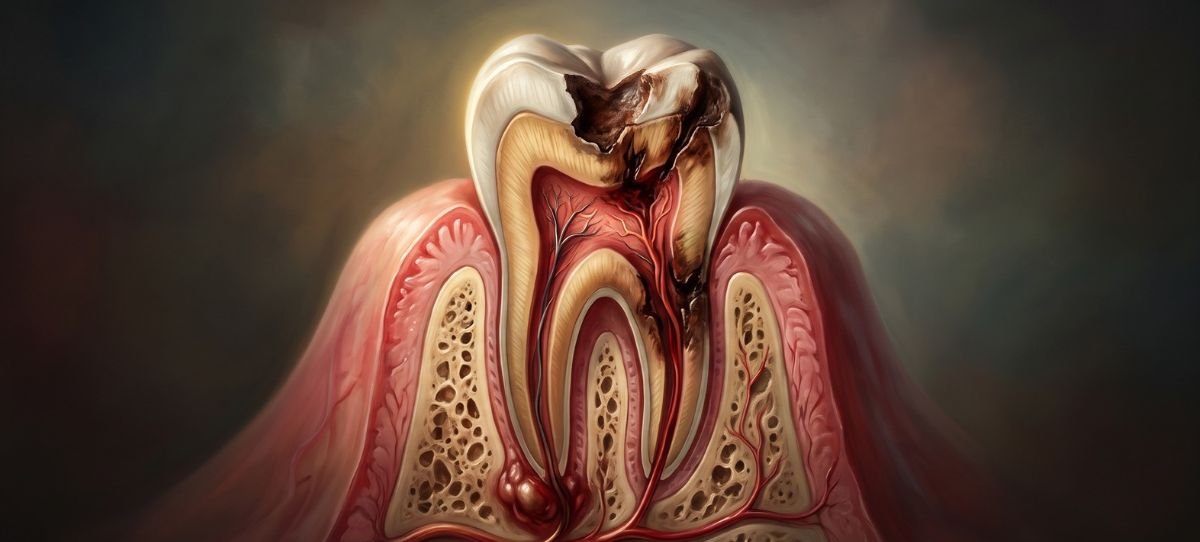
A toothache is pain in or around a tooth. It can be sharp, dull, throbbing, constant or only present when you chew, drink something cold or touch the tooth. Pain is your body's alarm system. It almost always means that the tooth, the nerve inside it, the gum or the bone around it needs attention.
Common Causes of Toothache
- Tooth decay (cavities): Bacteria dissolve enamel and reach the dentin and nerve. This is the number one cause we see.
- Pulpitis (inflamed nerve): Deep decay or trauma irritates the pulp, causing strong, lingering or night-time pain.
- Dental abscess: A pocket of pus at the root tip or in the gum, usually with swelling and throbbing pain.
- Cracked or fractured tooth: Pain when biting down and releasing, or with hot and cold.
- Gum disease: Red, swollen, bleeding gums, deep pockets and loose teeth.
- Impacted or erupting wisdom teeth: Pressure, swelling and pain at the back of the jaw.
- Tooth sensitivity: Worn enamel or receding gums expose dentin, causing short, sharp pain.
- Teeth grinding (bruxism): Overloaded teeth and jaw muscles, often with morning headaches.
- Old or loose fillings and crowns: Bacteria can leak underneath and cause new decay.
- Non-dental causes: Sinus infections, jaw joint problems and ear pain can feel like a toothache.
Symptoms You Should Not Ignore
- Pain that lasts more than one or two days
- Throbbing pain that wakes you at night
- Pain when chewing or biting
- Sensitivity to hot or cold that lingers
- Swollen gum, cheek or face
- Bad taste or a pimple-like bump on the gum
- Bleeding gums or a loose tooth
- Fever or swollen lymph nodes
When Is It an Emergency?
Go to a dentist or hospital immediately if you have facial swelling that is spreading, fever, difficulty swallowing or breathing, or swelling near the eye or neck. These can be signs of a spreading infection.
What You Can Do at Home While You Wait
- Rinse gently with warm salt water.
- Use a cold compress on the cheek for 15 minutes at a time.
- Take an over-the-counter pain reliever exactly as written on the label, if it is safe for you.
- Keep your head slightly raised when lying down.
- Avoid very hot, cold, sweet or hard foods.
- Never place aspirin directly on the gum, as it can burn the tissue.
Home care only relieves symptoms. It does not cure the cause, and pain that disappears suddenly may mean the nerve has died while the infection continues.
Treatment Options
Treatment depends on the diagnosis, which we confirm with a clinical examination and an X-ray or 3D scan when needed.
- Fillings: Remove decay and restore the tooth with a tooth-coloured filling.
- Root canal treatment: Removes the infected nerve, disinfects the canals and saves the natural tooth.
- Crowns: Protect cracked or heavily restored teeth.
- Extraction: Needed when a tooth cannot be saved, or for problematic wisdom teeth.
- Gum treatment: Professional deep cleaning and, if needed, periodontal therapy.
- Antibiotics: Prescribed only when there are signs of spreading infection. They do not replace dental treatment.
- Night guard: A custom splint for patients who grind their teeth.
- Desensitising treatments: Fluoride, bonding or special toothpaste for sensitive teeth.
How to Prevent Toothache
- Brush twice a day with fluoride toothpaste and clean between teeth daily.
- Limit sugary snacks and drinks.
- Visit your dentist for a check-up and cleaning every six months.
- Treat small cavities early, before they reach the nerve.
- Wear a mouthguard for sports or night grinding.
Frequently Asked Questions
1. Why does my toothache get worse at night?
When you lie down, more blood flows to your head, which increases pressure on an inflamed nerve. You also have fewer distractions, so you notice the pain more.
2. Can a toothache go away on its own?
The pain may fade, but the cause usually remains. If the nerve has died, the infection can silently spread. Always have the tooth examined.
3. How long can I wait before seeing a dentist?
If pain lasts more than 24 to 48 hours, or you have swelling or fever, book an appointment as soon as possible.
4. Do I always need a root canal or extraction?
No. Early decay may need only a filling. Root canal treatment is for an infected or irreversibly inflamed nerve, and extraction is the last option.
5. Is it safe to take antibiotics without seeing a dentist?
No. Antibiotics alone rarely solve the problem, and unnecessary use promotes resistance. They should be prescribed after an examination.
6. Why does my tooth hurt when I eat something cold or sweet?
This usually points to sensitivity, early decay or a worn filling. A quick check will show which one it is.
7. Can a toothache cause headaches or ear pain?
Yes. Dental nerves share pathways with the face, jaw and ear, so pain can spread to these areas.
8. Is dental treatment painful?
Modern local anaesthesia makes treatment comfortable. Our aim is to make every visit as gentle and stress-free as possible.
Content is approved by:
CDT. Hüseyin Bayır
Dental technician with more than 14 years of experience
Contact Dentalingo: To book a free consultation or find our clinic address, please visit our contact page.